
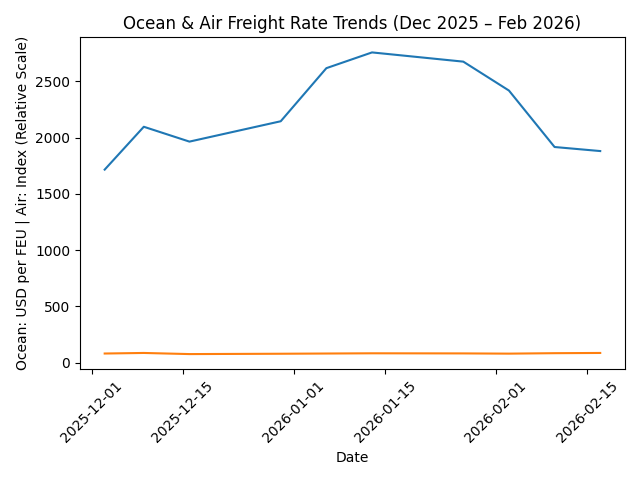
How the Current War Is Disrupting Air & Sea Cargo — And Why Prices Are Rising
As geopolitical tensions escalate — including recent strikes and retaliatory actions in the Middle East — global logistics and supply chains are feeling increasing pressure. These disruptions are already having real effects on air freight, sea freight, transit times, and overall cargo costs.
1. Supply Chain Routes Are Being Rerouted
The conflict has triggered avoidance of certain air routes and maritime corridors:
-
Airlines are altering flight paths to avoid conflict zones and restricted airspace over Iran, Iraq, and surrounding areas. This increases flight distances, fuel use, and operational costs for air cargo carriers.
-
Major sea shipping routes — especially through the Red Sea and Gulf chokepoints — are under heightened risk. Carriers may reroute vessels around the Cape of Good Hope, adding 10–20+ days to transit times between Asia, Europe, and the United States.
2. Freight Prices Are Climbing
Disruptions translate directly into cost increases:
-
Sea freight costs — particularly oil tanker and container shipping rates — have jumped sharply. Very large crude carriers are commanding over $200,000 per day, near multi-year highs, as shippers lock in tonnage amid fears of supply interruptions.
-
Longer sea routings and higher fuel consumption increase shipping operational costs, which are passed on to shippers and eventually consumers.
3. Insurance Costs Are Rising
War-risk premiums for ships and cargo passing through high-risk areas have surged. Insurers now charge significantly more to cover vessels near conflict zones, adding hundreds of thousands of dollars in costs per voyage.
These costs are often added as surcharges on top of freight fees, meaning shippers face both higher base rates and elevated insurance expenses.
4. Air Cargo Rates Are Under Pressure Too
Air cargo is also affected:
-
Avoiding high-risk airspace forces longer flight paths, boosting fuel and operating costs — which get reflected in cargo pricing.
-
Some carriers are canceling flights or limiting capacity in the region, tightening available cargo space and putting upward pressure on rates especially for time-sensitive goods.
5. Delays and Capacity Strain
Supply chains are already reporting delay concerns:
-
Longer sea routes and port congestion from rerouted cargo are increasing shipment lead times — a headache for ocean and air freight alike.
-
Some exporters are warning that delivery timelines to major markets like Europe and North America could extend significantly if the conflict persists.
6. Broader Price Ripple Effects
Beyond freight itself, the conflict affects broader costs:
-
Rising crude oil prices — often a side effect of war tensions — feed through into higher fuel costs for ships, trucks, and aircraft.
-
Higher logistics costs and longer lead times can contribute to inflationary pressure on goods, from electronics to industrial inputs.
In Summary
The war is creating a perfect storm for global cargo flows:
✅ Routes are shifting — longer sea and air paths
✅ Freight rates are climbing — especially on tense routes
✅ Insurance premiums are rising — adding to shipper costs
✅ Delays are increasing — affecting supply reliability
For businesses and logistics planners, monitoring these shifts is now essential — and adapting contracts, routing strategies, and pricing models will be key to managing risk and cost.

